The Beige Living Room Guide: Timeless Elegance or Decor Trap?
Often called the “new white,” **beige** is establishing itself as the must-have color for transforming a living room into a true haven of peace. Far from being boring, this subtle hue offers a depth and warmth that pure white sometimes struggles to match. But how can you embrace this palette without falling into the trap of a monotonous design?
In this article, we explore the many facets of the **beige living room**: from its light-enhancing benefits to its maintenance challenges, along with the best color pairings and decor styles to elevate it. Whether you dream of a sleek Scandinavian vibe, a rustic chic interior, or a resolutely modern space, discover why beige might just be your home design’s best (or most delicate) ally.
Table of Contents
Introduction to Beige as a Living Room Color
A versatile and soothing color
In the world of interior design, color choice plays a vital role in creating a welcoming and harmonious atmosphere. Among the most popular shades, beige stands out for its versatility and ability to adapt to different styles. Because of its neutral palette, a beige living room offers a soothing backdrop that can be both sophisticated and warm.
Tranquility and harmony in decor
Beige, with its soft and natural nuances, is often associated with a sense of tranquility and comfort. As a living room color, it easily integrates with various decorative elements, whether furniture, artwork, or textiles. This neutral tone creates a space where the mind can relax, fostering a harmonious environment for gathering with family and friends. Using this shade also highlights other colors, whether bright or subtle, effectively balancing the entire room.
A shade that expands the space
Beyond aesthetics, beige is often chosen for its ability to visually enlarge a room. By reflecting natural light, it contributes to a sense of openness, making living rooms feel brighter and more inviting. Many interior designers opt for beige to create a serene ambiance while ensuring the design isn’t overwhelming. Consequently, these factors contribute to the ongoing popularity of beige in living room decor choices.
Timeless elegance
It is clear that a beige living room is not just a simple color decision, but a strategic approach to creating a space that meets the tastes and needs of its occupants. By skillfully integrating this hue, it is possible to achieve a timeless elegance that maintains its appeal year after year.
The Pros of Beige in a Living Room
A versatile and elegant color
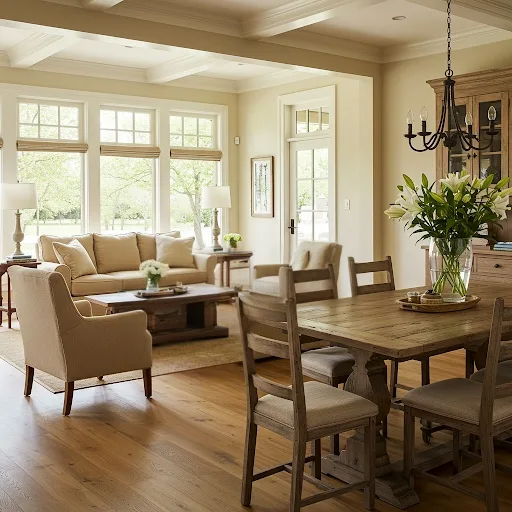
The color choice for a living room is crucial to the overall mood of a home. Beige stands out as an effective and versatile option. Its neutral nature allows it to blend seamlessly into various decorative styles, whether modern, traditional, or eclectic. As a base color, beige can be paired with a wide-ranging palette, bringing a touch of elegance while remaining calming.
A shade that brightens the space
One of the primary qualities of beige is its ability to illuminate a room. These tones, often associated with natural light, reflect brightness and give the illusion of a more spacious area. This is particularly beneficial in smaller living rooms where every inch counts. Variations of beige, ranging from light cream to deeper sand, also allow you to play with light and adjust the atmosphere as needed, moving from a cozy vibe to something more dynamic.
A relaxing and convivial atmosphere
Beyond practicality, beige creates a relaxing atmosphere. Appreciated for its softness, it promotes a serene and welcoming feel. Whether for relaxing family moments or evenings with friends, beige sets a friendly tone. By integrating beige accessories, such as throw pillows or curtains, you can reinforce this sense of comfort. Furthermore, beige pairs easily with other accent colors, allowing you to highlight decor elements and add dimension to the living room without visual clutter.
A timeless choice for interior design
In short, beige is a wise choice for anyone looking to create an inviting, bright, and timeless living room. The advantages this color offers make it a staple in modern interior design.
Potential Cons of Beige
A color that can lack dynamism
Beige is often praised for its versatility and neutral appearance. However, this color has some drawbacks to consider during interior decoration. First, one of the main disadvantages of beige is its tendency to create a monotonous atmosphere. When used excessively, it can make a space feel like it lacks personality and energy, making the living room less inviting. The lack of contrast when using only a beige palette can quickly bore residents and visitors alike.
A risk of excessive neutrality
Another risk associated with this color palette is the creation of an overly neutral space. While chosen for its ability to integrate with other colors, it can sometimes feel too passive. Without bright colors or varied textures, the living room may appear cold and impersonal. This can hurt the overall mood, giving an impression of distance rather than comfort and conviviality.
Demanding maintenance
Finally, beige, while elegant, can present maintenance issues. This color is particularly prone to showing dirt, stains, and wear, especially in high-traffic areas like a living room. Beige furniture and fabrics may require frequent cleaning, which can be a challenge in terms of both effort and cost. Additionally, some people might be discouraged from choosing this color due to these increased upkeep needs, opting instead for darker or more saturated tones that mask imperfections better.
How to Pair Beige with Other Colors
Harmonious pairings for a balanced living room
Beige is an extremely versatile secondary color that can blend harmoniously with a multitude of other shades. To create a balanced and pleasant space, it is essential to choose complementary colors that enhance its warmth. With its soft nuances, it pairs perfectly with pastels, earth tones, and even bold colors for interesting contrasts.
The elegance of pastel tones
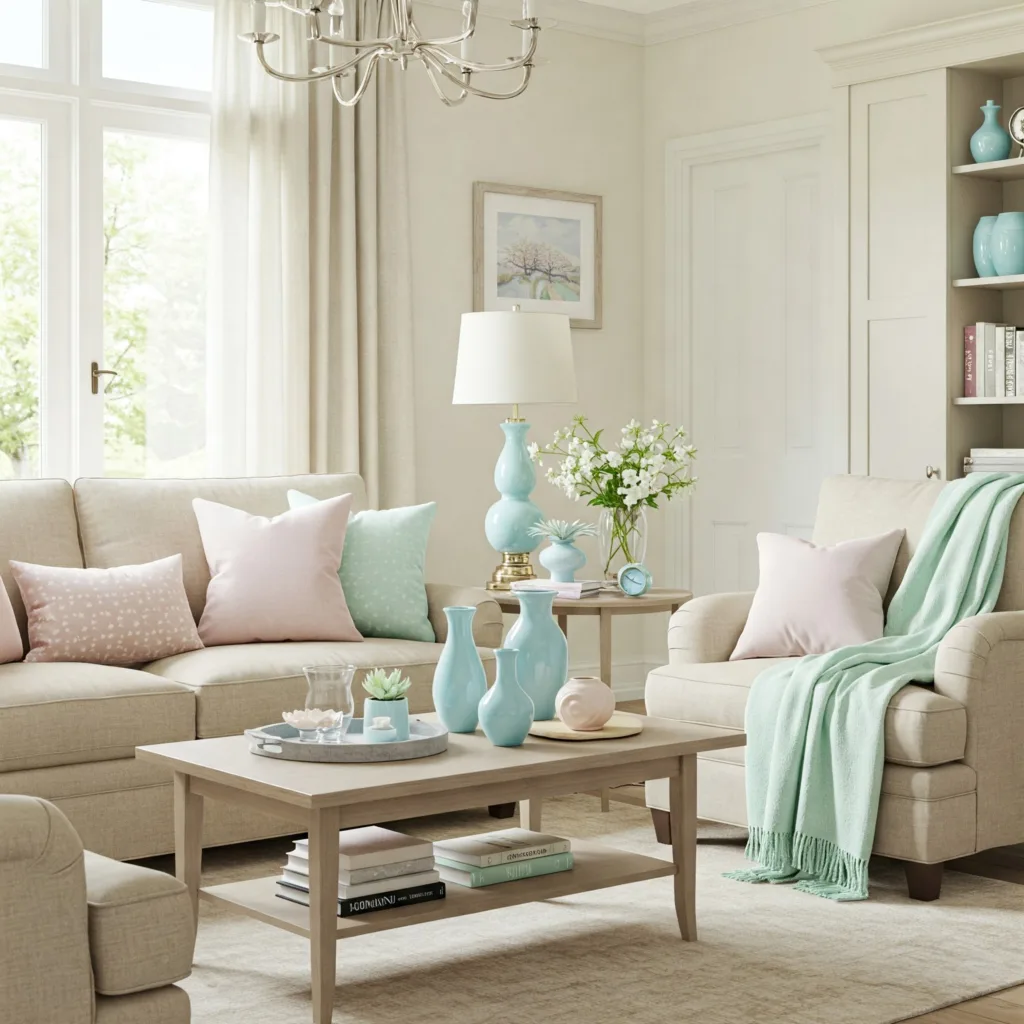
Pastel tones such as pale pink, sky blue, or mint green create a soft ambiance when paired with a beige living room. These combinations evoke a calm and relaxing atmosphere, ideal for a room where you entertain guests or unwind. Furthermore, pink or blue accents can be integrated through pillows, curtains, or artwork, contributing to a cohesive, modern look.
The richness of earth tones
Next, earth tones like browns, deeper beiges, and olive greens can enrich the look of your space. These shades add depth and blend perfectly with natural elements like wood and stone. For example, adding dark wood furniture or terracotta accessories can offer a beautiful complement to a beige living room while bringing organic warmth to the environment.
The energy of bold colors
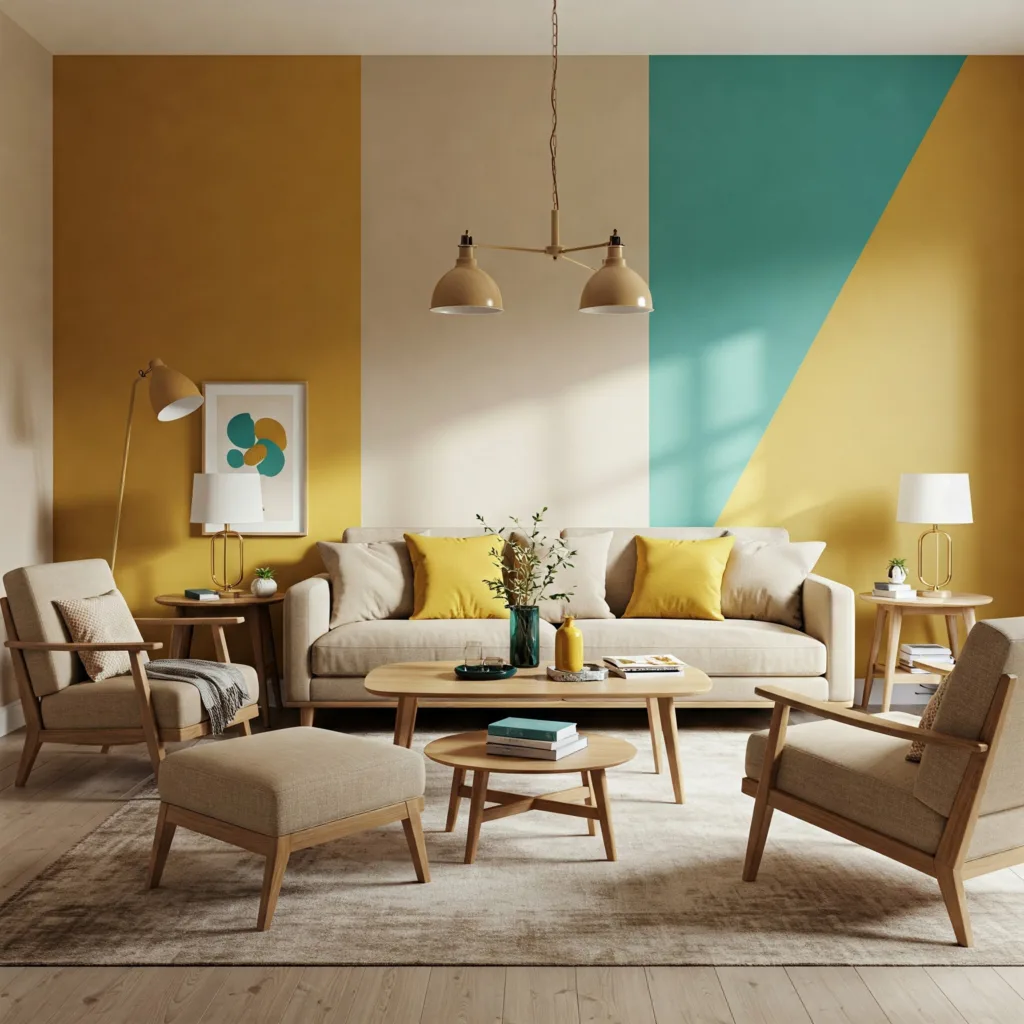
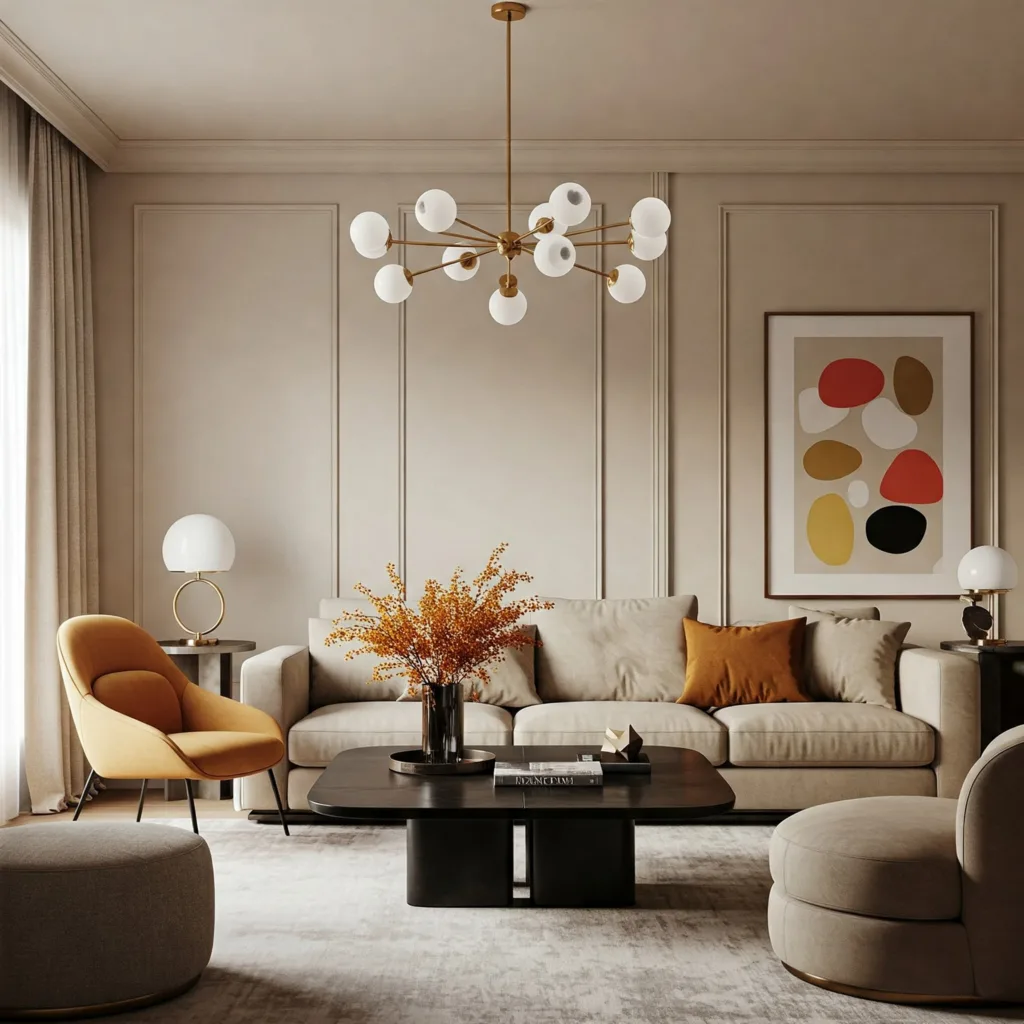
Finally, for those seeking a more contemporary style, bold colors like mustard yellow or turquoise can really make beige pop. Boldly using these shades on accent walls or decorative objects creates an attractive, energizing dynamic. With these different combinations, your living room can easily become a chic, welcoming space customized to your taste.
Decor Styles Suited for Beige
A versatile choice for various interiors
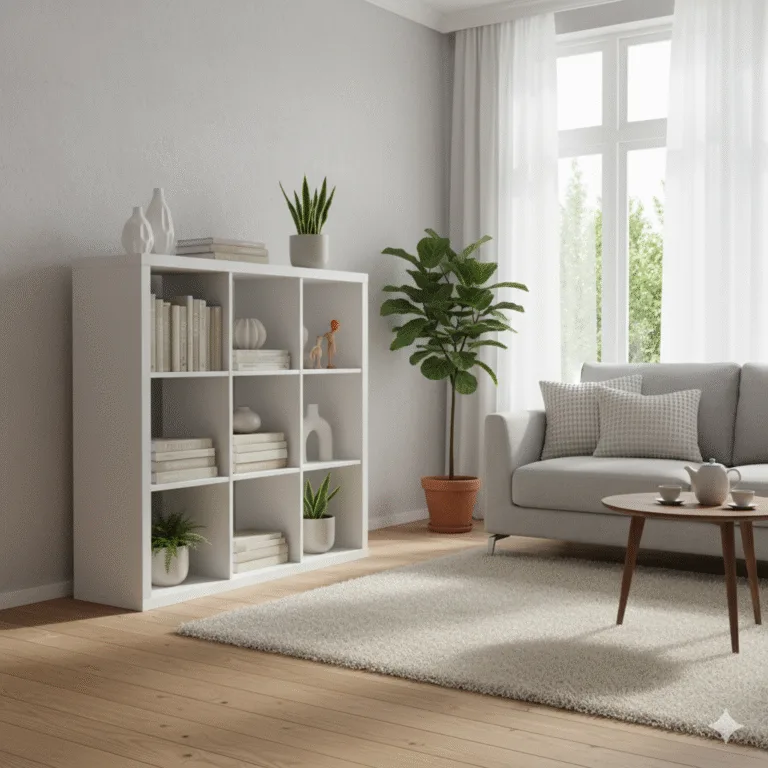
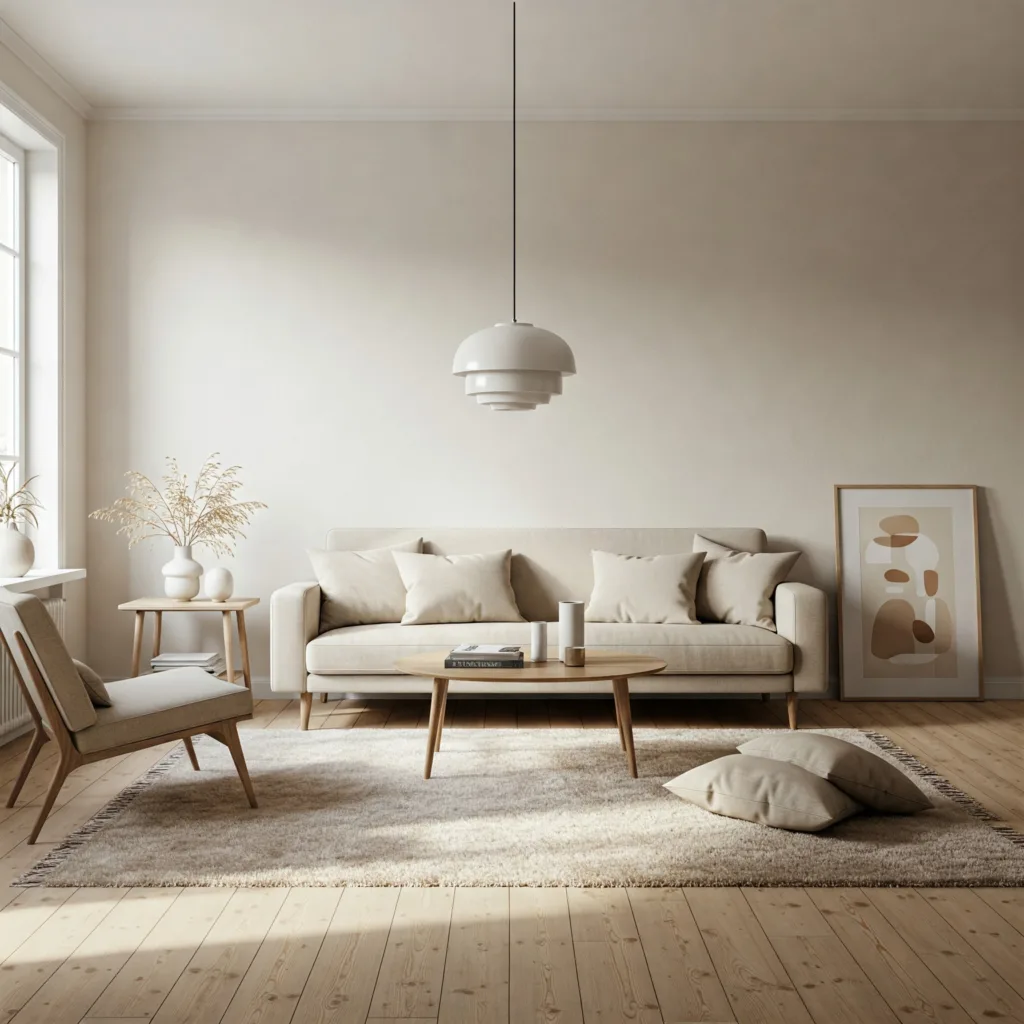
Beige is a versatile color that harmonizes with various interior styles, bringing warmth and elegance. In a **Scandinavian style**, a beige living room serves as the ideal backdrop. Paired with natural elements like light wood and soft textiles, it promotes a minimalist and soothing vibe.
The authenticity of rustic style
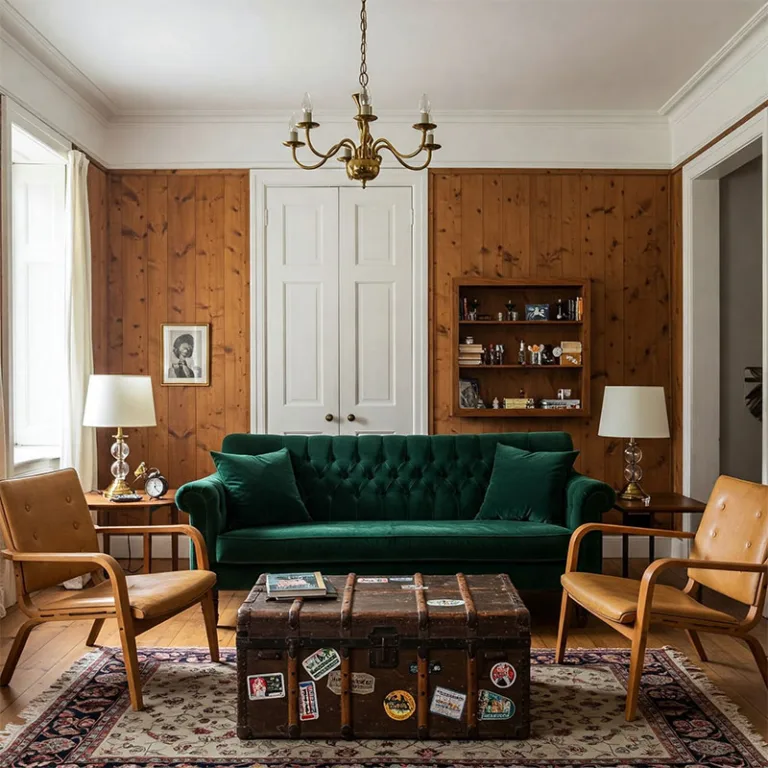
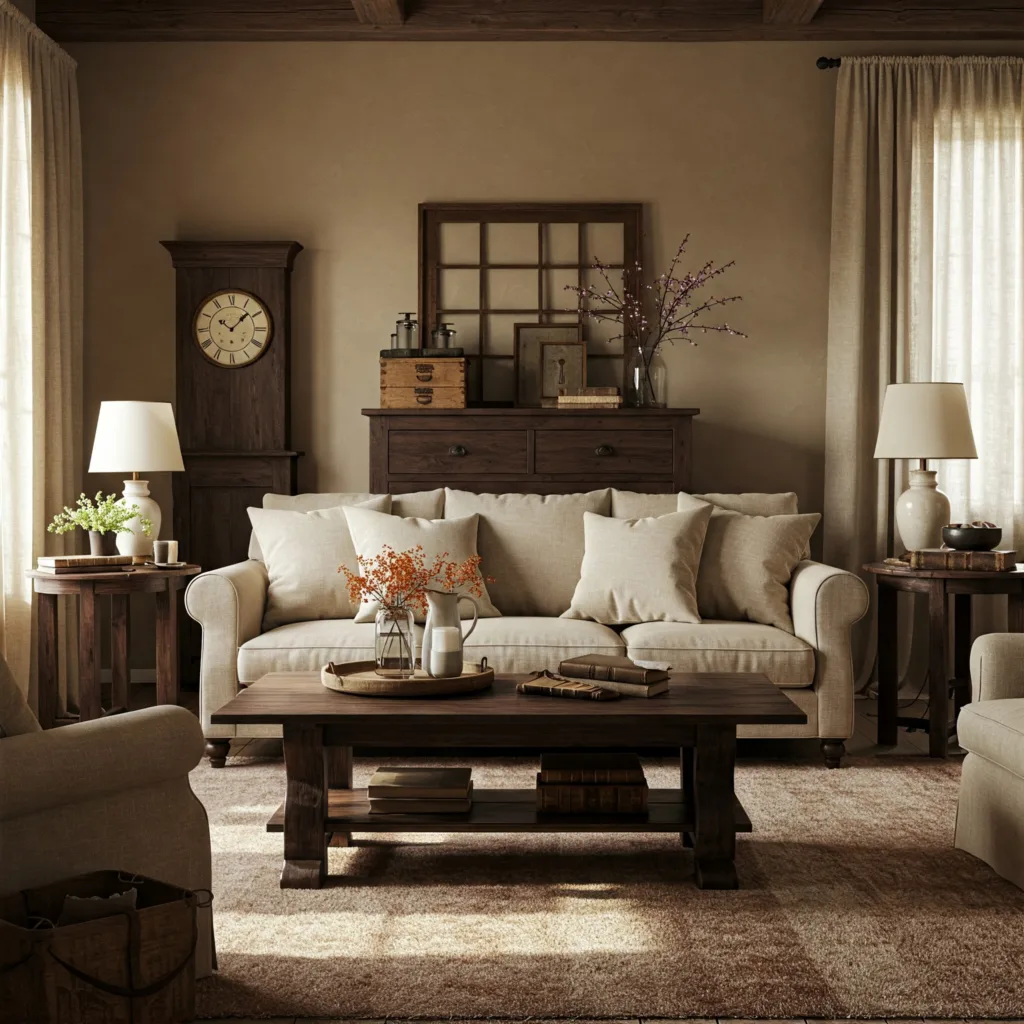
For a **rustic style**, beige fits perfectly due to its ability to complement raw materials like stone or reclaimed wood. Using dark wood furniture with beige accents creates an interesting visual contrast while making the space warm and inviting. Beige paired with vintage accessories and linen fabrics reinforces an authentic, traditional feel.
The elegance of modern style
In a **modern decor** setting, beige pairs well with clean lines and geometric shapes. Beige walls add a touch of sophistication when combined with contemporary art or brightly colored furniture. It acts as a stabilizer, allowing other colors to express themselves while maintaining visual balance.
A timeless choice for classic style
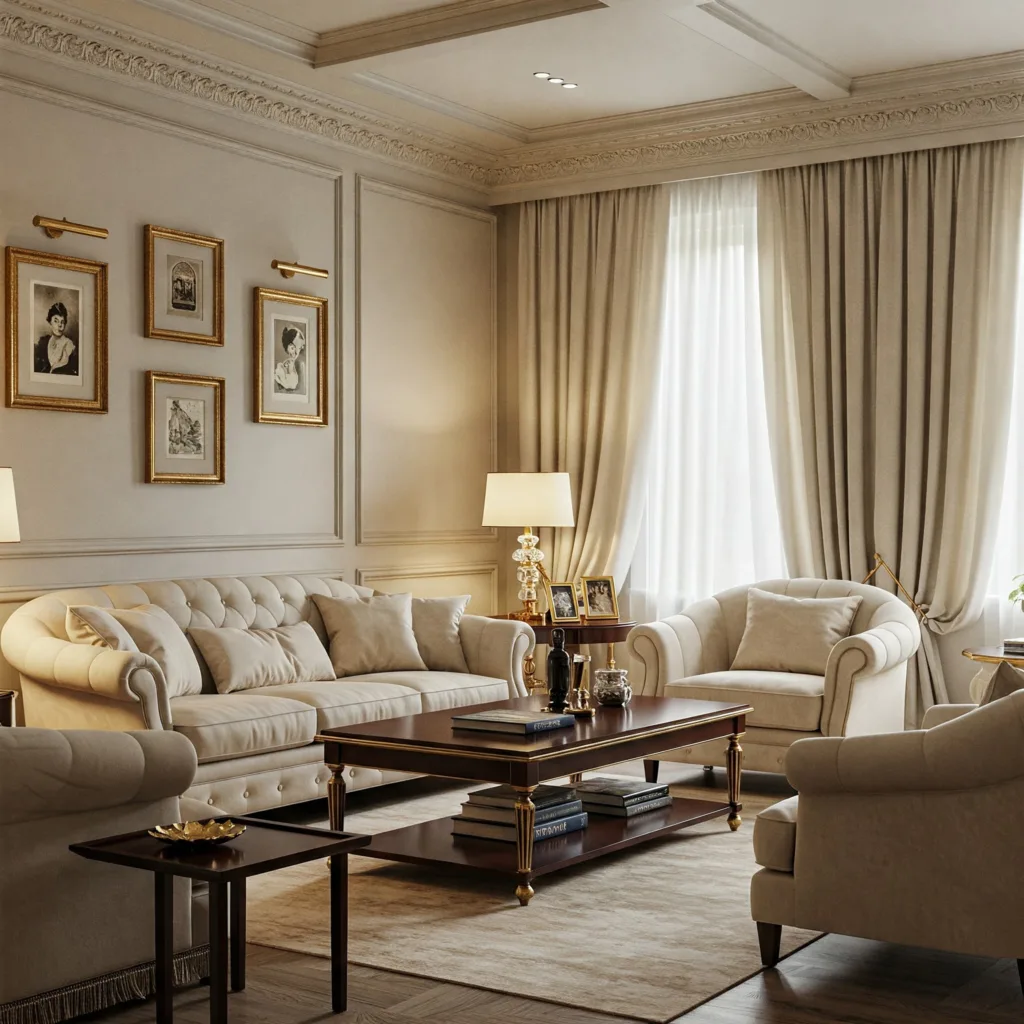
Finally, for those who prefer a **classic style**, beige is a timeless choice often accompanied by elegant moldings and refined fabrics. Beige living rooms can be elevated with gold or silver accents, adding a touch of luxury. This blend of classicism and modernity significantly improves the overall look of the space while offering an atmosphere of intimacy.
Evaluating Lighting in a Beige Living Room
The importance of light to enhance beige
Lighting plays a crucial role in the appearance of a beige living room. This color can vary considerably depending on the light hitting it. It is essential to consider both natural light and different types of artificial lighting to ensure the room is showcased optimally.
The influence of natural light
Natural light is a deciding factor. In a sun-drenched living room, beige can appear warm and welcoming. However, in rooms with north-facing windows where light is cooler, beige can seem duller. Maximizing natural light by choosing sheer curtains and avoiding window obstructions helps enhance the color and makes the space feel more alive.
Artificial lighting and its impact
As for artificial lighting, the choice of fixtures is key. Warm light bulbs (around 2700K) enrich beige tones, creating a cozy atmosphere. Floor lamps and wall sconces can be strategically placed to add depth. Dimmers are also a great addition to adjust the mood throughout the day.
Homeowner Testimonials
Many homeowners have embraced beige, and their experiences offer valuable insights. Marie, from Lyon, explains: “Beige brings a certain brightness to the room, which is essential in our apartment where natural light is limited.”
Julien and Clara from Marseille initially feared monotony: “We countered that by adding colorful decorative elements. Bright pillows and wall art bring a touch of dynamism to our beige living room.”
Sophie shares a tip on maintenance: “I love beige, but it requires more attention, especially with kids or pets. Stains are more visible, but I’ve learned to use appropriate products to maintain the walls’ luster.”
Alternatives to Beige
Exploring Other Neutral Tones
For those hesitant to fully commit to beige, several interesting alternatives can provide similar softness while offering a unique touch to your space. These neutral palettes create a serene atmosphere while allowing standout accents to shine.
Taupe: A Subtle Elegance
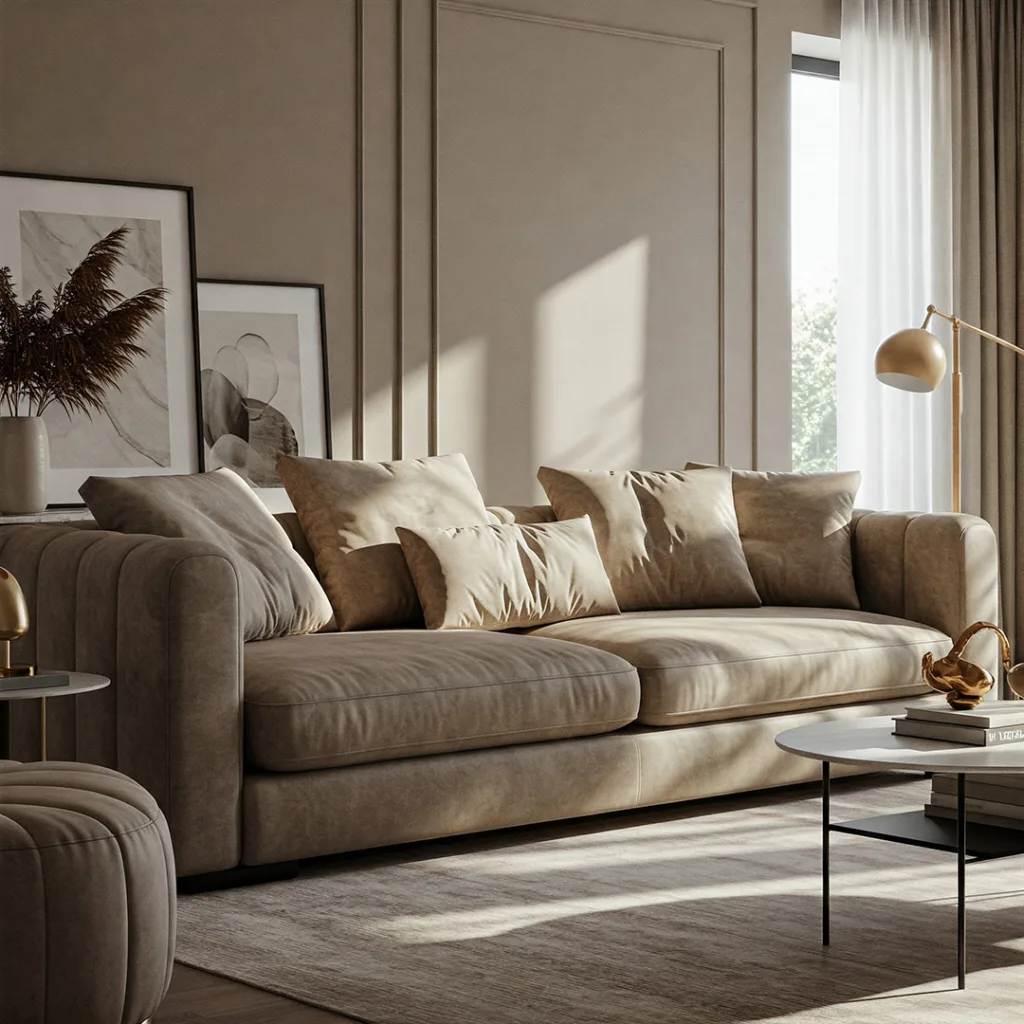
One option to consider is taupe, which blends shades of brown and gray. This color offers warmth comparable to beige but adds a sophisticated depth that enriches the aesthetic of your living room. Taupe also pairs beautifully with decor elements like sofas and pillows in complementary tones, making the room feel both inviting and refined.
Light Gray: A Modern and Versatile Choice
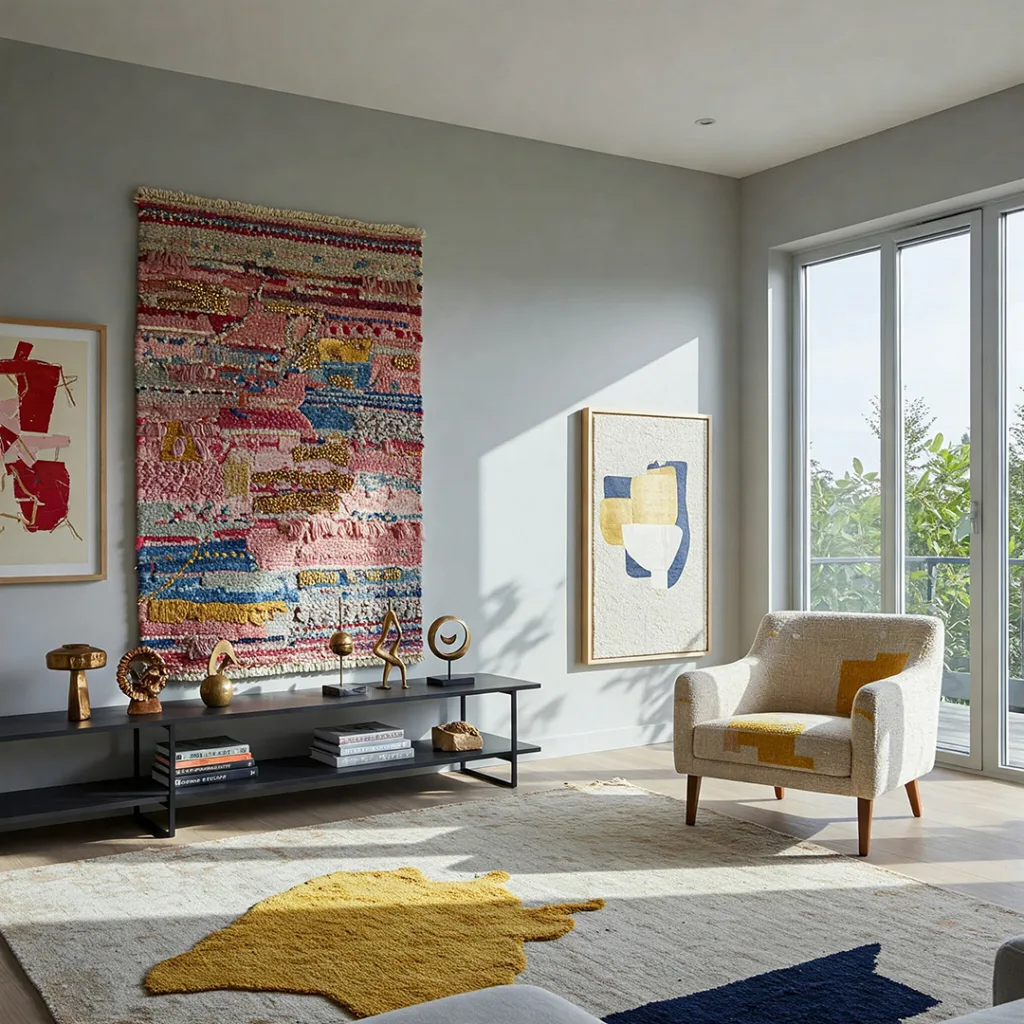
Another compelling alternative is light gray. Although slightly cooler than beige, light gray is an excellent choice for a modern living room. This neutral shade serves as an ideal backdrop for artwork, varied textures, and more vibrant color palettes. Gray is not only versatile but also acts as a “canvas” color that highlights other nuances while maintaining a calm atmosphere.
Pale Blue: A Touch of Freshness
Finally, pale blue represents a charming alternative. This soft tone can evoke a sense of tranquility similar to a beige living room while bringing in a brightness that catches the eye. Pale blue is perfect for a relaxing layout and pairs exceptionally well with natural elements, such as green plants, which add life to the decor.
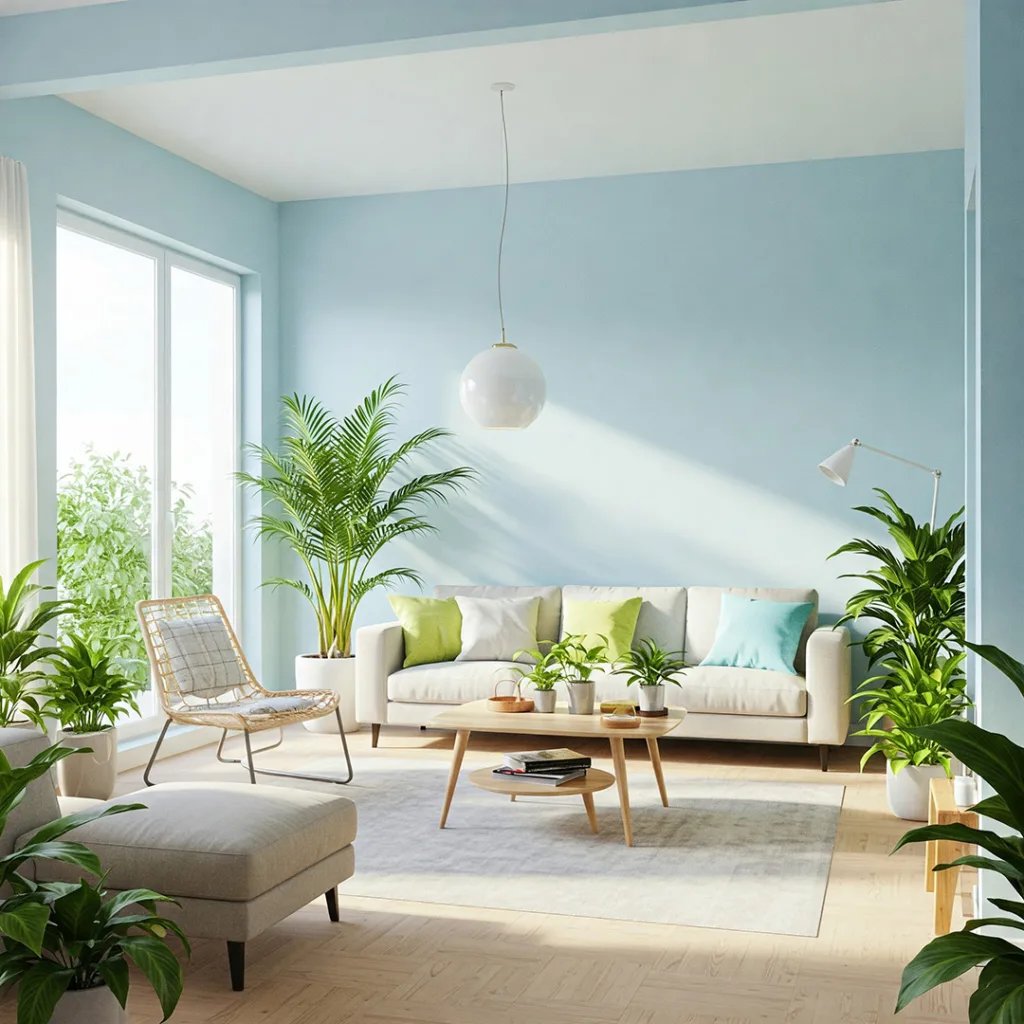
A Smooth Transition
Each of these soft, neutral colors offers a subtle transition for those who wish to step away from beige while preserving a soothing and harmonious vibe in their living area.
Conclusion: Is Beige a Good or Bad Choice?
An Option with Many Assets
Ultimately, choosing beige for a living room is a winning strategy for many reasons. First and foremost, beige is widely recognized for its ability to create a calming and cozy atmosphere. As a neutral shade, it adapts harmoniously to various decor styles, from classic to modern. This flexibility allows the color—and its many variations—to suit a wide range of personal preferences.
The Ideal Backdrop for Decor
Furthermore, beige serves as the perfect backdrop for furniture and decorative elements. By using bolder accents or complementary colors, you can add character to the room without it feeling overwhelming. Many interior designers favor beige tones because they amplify natural light, creating a brighter and more welcoming living space.
Precautions to Keep in Mind
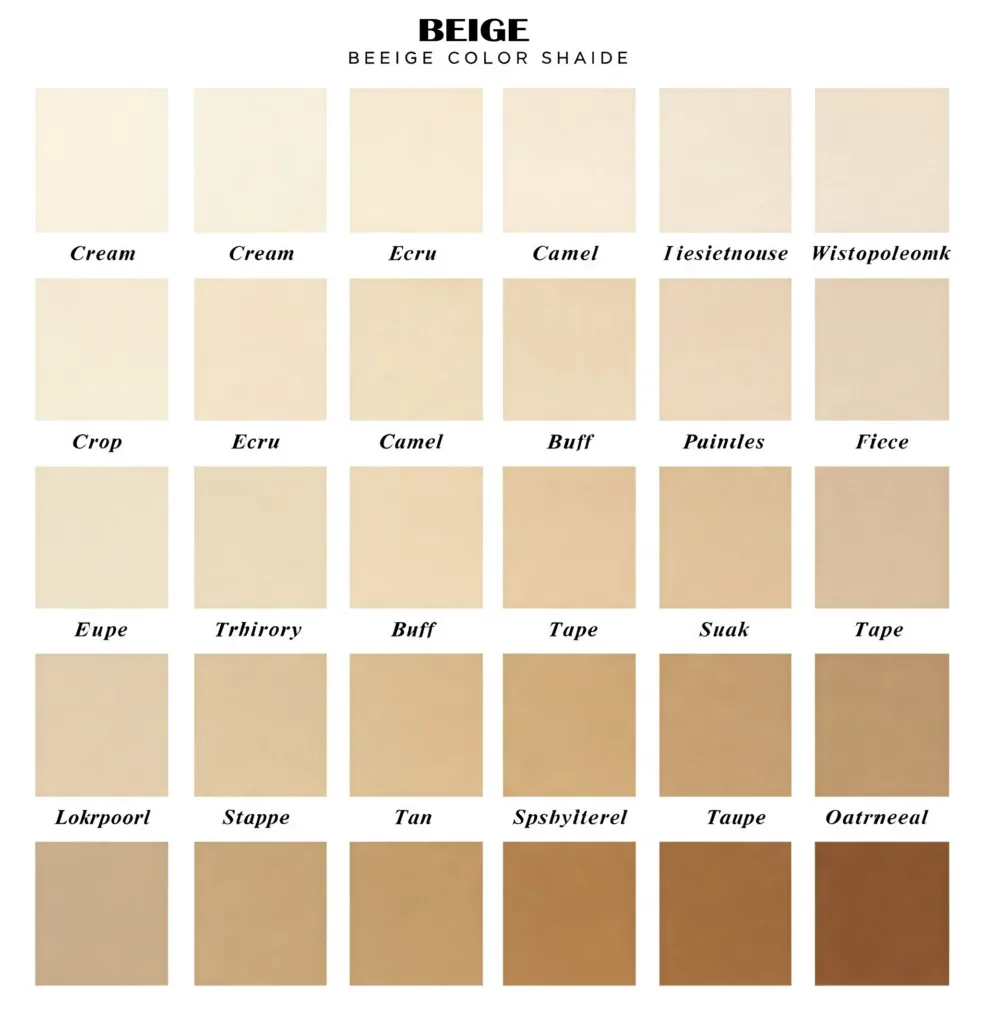
However, it is essential to consider a few factors before committing. Beige can sometimes be perceived as monotonous or “flat” if not used correctly. It is therefore important to introduce varied textures or additional hues to avoid a decor that feels too uniform. Additionally, picking the right shade of beige is crucial, as tones can vary significantly—from light creams to darker “greige” or taupe nuances.
Mastering the Choice for Optimal Results
In summary, opting for beige in your living room is an excellent choice, provided you are mindful of proper decoration techniques to maximize its potential. By putting thought into how you use it, you can create a space that is both elegant and timeless.
Why choose beige over white for my living room?
How can I prevent my beige living room from becoming boring or monotonous?
What are the best colors to pair with beige?
For softness: Pastel shades (dusty pink, sky blue).
For character: Earthy tones (terracotta, olive green, chocolate brown).
For modernity: Mustard yellow, petrol blue, or even touches of black for a graphic look.
Is beige a difficult color to maintain?
What type of lighting should you choose to enhance a beige living room?
Follow us on social media to stay up to date with the latest news.